






A weather station is a collection of instruments that measure and report atmospheric conditions such as temperature, humidity, barometric pressure, rainfall, and wind speed and direction. In its simplest form, a weather station gathers real-time data from the environment so you can monitor changing conditions and better understand local weather patterns right where you live.
What Is a Personal or Home Weather Station?
A personal weather station, often called a home weather station, is designed specifically for residential use. It allows homeowners, hobbyists, and weather enthusiasts to track conditions in their own backyard and around their house. By installing a home weather station, you can see exactly how the weather at your location compares to the nearest airport or official reporting site, which is often several miles away and may not reflect your microclimate.
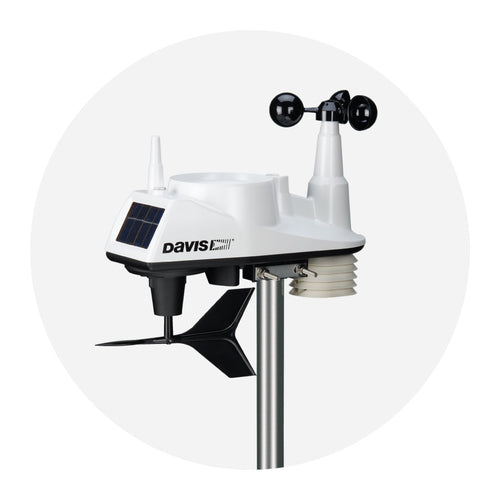
For your house, the outdoor sensor suite is typically mounted in an open, representative location such as a rooftop, fence post, or dedicated mounting pole, while the indoor console or hub is placed where it is easy to see and use. Once powered and connected, the home weather station begins transmitting measurements at regular intervals, providing continuous, real-time updates on the conditions that directly affect your home, garden, and outdoor activities.
What Does a Home Weather Station Actually Do?
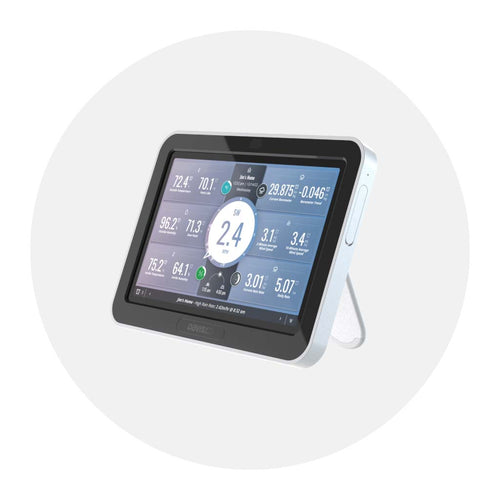
In day-to-day use, a home weather station does much more than simply show the temperature. It continuously measures temperature, humidity, rainfall, wind speed, wind direction, and barometric pressure right at your location and turns those measurements into practical, easy-to-use information. The indoor console or hub displays current conditions, short-term forecasts based on local trends, ,and historical records so you can see how today compares with yesterday, last week, or last season.
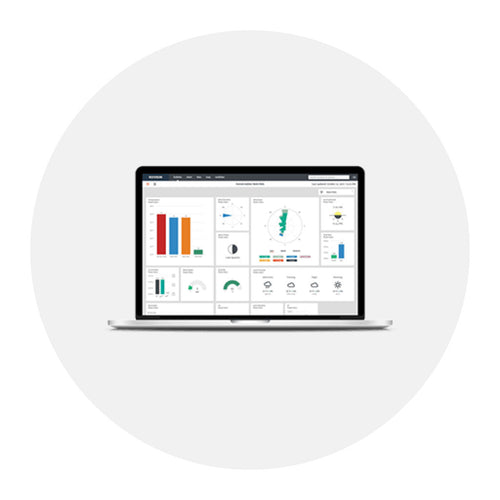
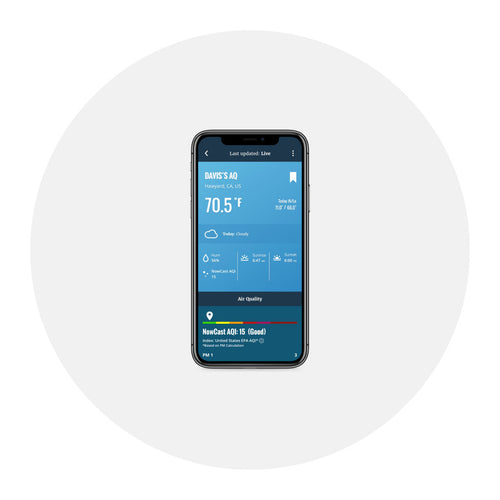
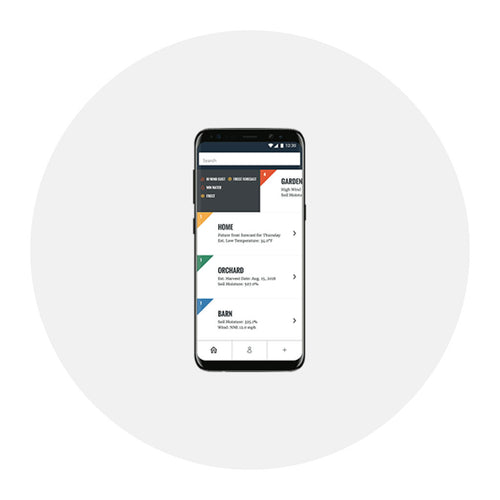
By connecting your weather station to the internet, you can access your data on a computer or mobile device, receive alerts when conditions change rapidly, and share your observations with online weather networks. In effect, your home system becomes a small, reliable weather hub taht helps you plan outdoor activities, protect your garden, fine-tune heating and cooling, and stay aware of approaching storms - all based on what is actually happening at your house, not just in your region.
How Do Personal Weather Stations Work for Your House?
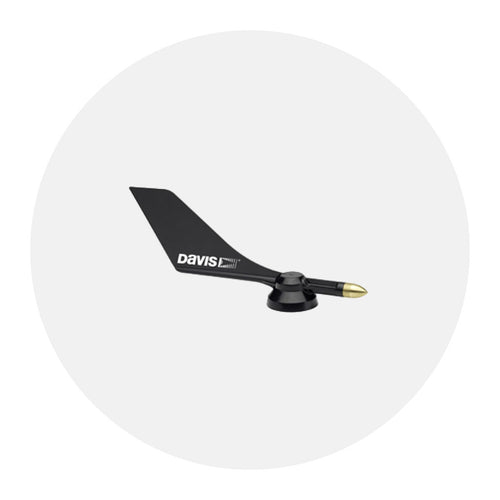
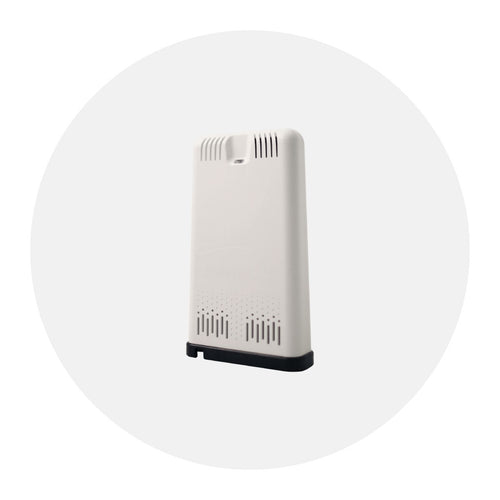
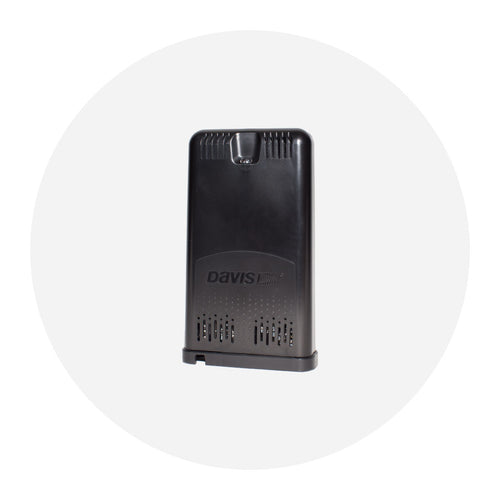
Davis weather stations include the sensor suite and the device that receives the data (a WeatherLink Console or WeatherLink Live) and makes it accessible in a clear, easy-to-read format. The outdoor sensors measure temperature, humidity, rainfall, wind speed, wind direction, and barometric pressure, then send that data to the indoor console or hub. The console processes the information, displays it in real time, and stores it so you can track trends and review historical records.
Many modern systems are designed as a wireless home weather station, meaning the outdoor sensor suite transmits data to the indoor console or hub without the need for long data cables. A wireless home weather station offers flexible installation options, reduces clutter, and makes it easier to place sensors in the ideal locations for accurate measurements, such as rooftops, open yards, or dedicated mounting poles around your property.
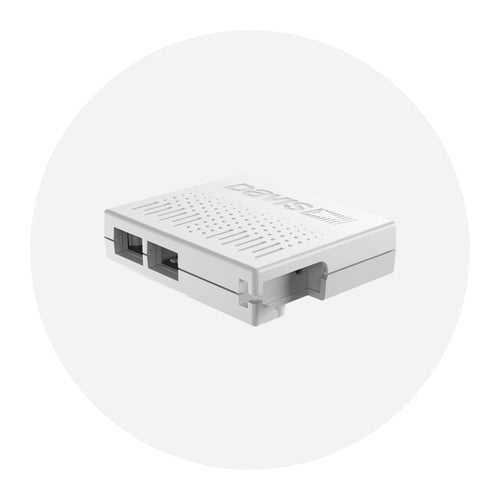
By connecting your weather station to the internet through a WeatherLink Console or WeatherLink Live, you can access your data from anywhere on a computer or mobile device, share it with others, or even contribute to online weather networks. This turns your home system into a small, reliable weather hub that works continuously in the background for your house.
Specific Benefits of Owning a Personal Weather Station
A personal weather station gives you control over your own weather data. Instead of relying solely on regional forecasts, it lets you see how storms, temperature swings, and wind shifts are affecting your exact location. This level of detail is especially valuable for:
- Gardening and landscaping: Track frost risk, soil moisture (with optional sensors), rainfall totals, and heat stress to protect plants and optimize watering.
- Outdoor events and activities: Time barbecues, parties, and kids’ activities around real-time wind, rain, and temperature data at your home.
- Home energy management: Use accurate temperature, humidity, and wind data to fine-tune heating, cooling, and ventilation for better comfort and efficiency.
- Safety and preparedness: Monitor rapidly changing conditions during storms, heat waves, or cold snaps so you can act sooner than with regional reports.
-
Business and property operations: Improve scheduling for landscaping crews, construction, farming, and event venues with on-site data from your home weather station or campus network.
- Education and hobby use: Learn how your local environment behaves throughout the year, track patterns, and explore weather as a hobby or teaching tool.
Advanced Technologies and Features in Modern Personal Weather Stations
When you choose a Davis home weather station, you are getting a complete system that includes high-quality sensors, durable construction, and advanced data logging capabilities. The sensor suite in a Davis weather station typically measures temperature, humidity, rainfall, wind speed, wind direction, and barometric pressure, and may also support additional sensors for solar radiation, UV index, and soil moisture.
Modern systems—often considered the best home weather station options—are differentiated by technologies and features such as:
- Wireless transmission: Reliable, long-range wireless communication between the outdoor sensor suite and indoor console.
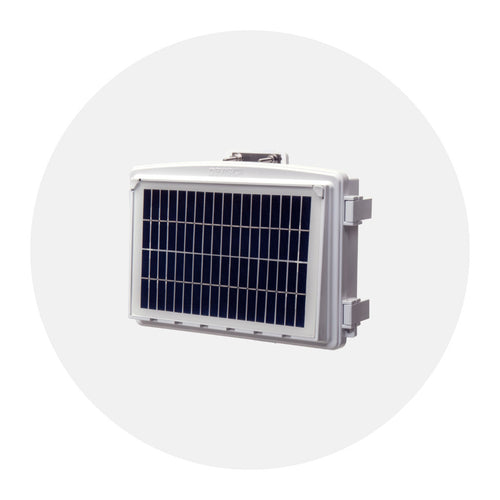
- Solar power: Solar-assisted power reduces battery changes, helping create a virtually maintenance-free setup.
- High-resolution data logging: Frequent measurement intervals and onboard storage for detailed historical records.
- Internet connectivity: Integration with WeatherLink Console or WeatherLink Live so you can view, share, and analyze your data from anywhere.
- Expandable sensor options: Support for additional sensors like UV, solar radiation, and soil moisture for more specialized monitoring.
- Robust construction: Weather-resistant materials and designs engineered for long-term outdoor exposure.
Taken together, these technologies make a wireless home weather station easy to own and keeep accurate. For many users, this combination is what defines the best home weather station for low upkeep and reliable performance.
How Accurate Are Personal Weather Station Forecasts?
The accuracy of a personal weather station forecast depends on both sensor quality and proper installation. Davis weather stations are designed to deliver precise, repeatable measurements, and when sensors are sited correctly, they can provide highly accurate readings of your local conditions. While regional forecasts from large-scale models predict broad weather patterns, your station’s data can refine those forecasts by showing exactly what is happening at your home.
Many personal systems use barometric pressure trends, temperature changes, and other local data to generate short-term forecasts for your location. These forecasts are typically very good at indicating near-term changes—such as approaching storms, clearing skies, or pressure drops—because they are based on continuous, real-time measurements right at your house. By combining regional forecasts with your own station’s data and trend indicators, you gain a more accurate and relevant picture of what the weather will do in your immediate area.
Whether you are a casual observer, a serious weather enthusiast, or someone who simply wants accurate local information, a Davis home weather station offers a reliable way to monitor the atmosphere around your home or property and to enjoy the benefits of detailed, location-specific weather insight every day.