






|
A UV sensor is an excellent piece to add to your arsenal of weather sensors. A UV sensor is useful for those who wish to monitor and reduce exposure to harmful ultraviolet radiation, and it is necessary in certain testing environments. For companies that make products that are sensitive to UV light, a UV light sensor is a helpful tool used to create optimal storage conditions and for tracking UV light exposure over time through accurate UV index measurement. |
 |
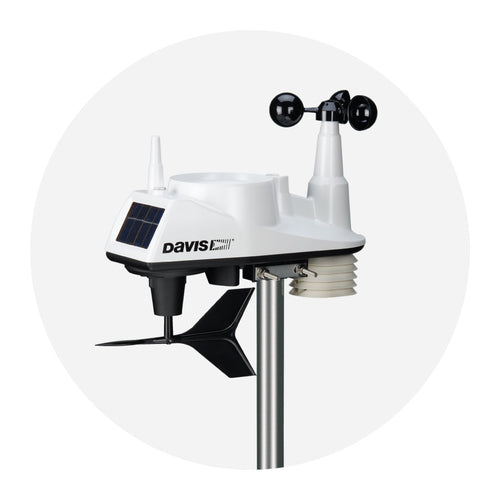
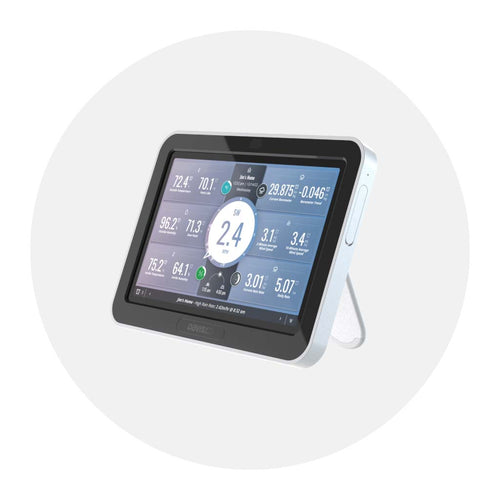
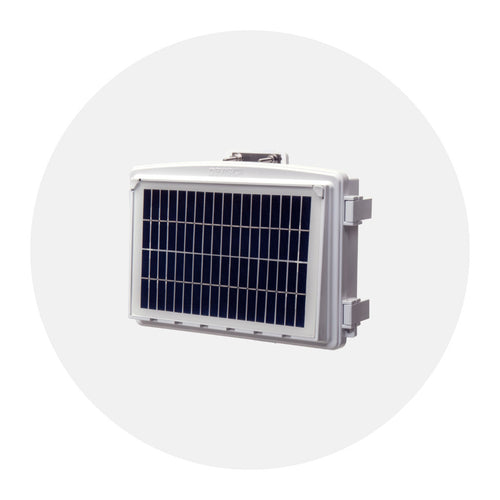
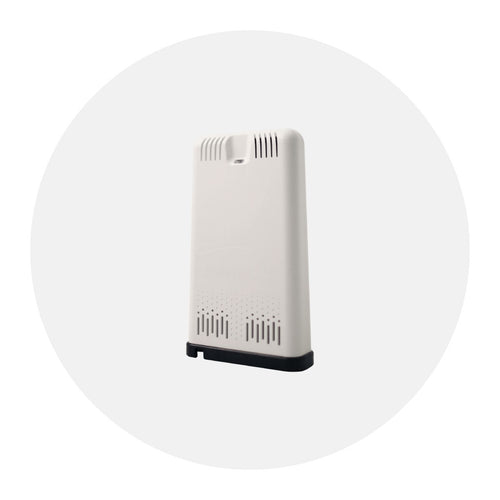
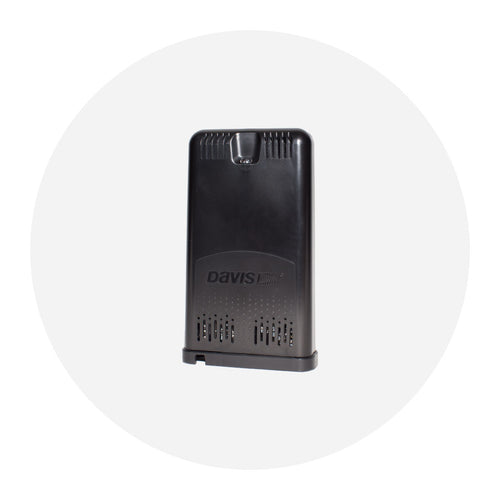
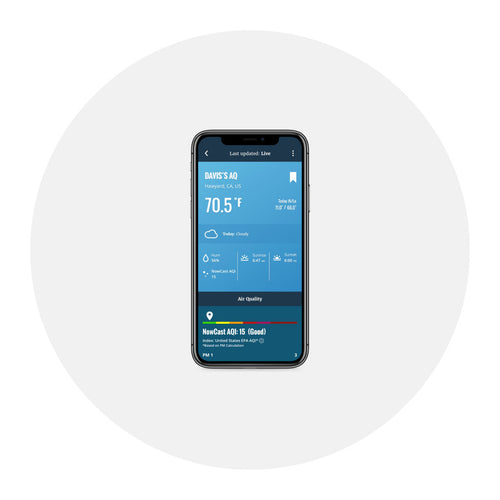
The Davis Instruments UV index sensor measures the sunburning portion of the UV spectrum. This UV sensor measures global solar UV irradiance: the sum of the components of solar UV transmitted directly and those scattered in the atmosphere. It reports the UV index, dose rate, and daily and accumulative doses of UV light. This sensor is an excellent addition to the Vantage Pro2 weather station. In addition, it can be installed on a Sensor Transmitter, reporting to a WeatherLink Live; or in an EnviroMonitor Node, reporting to an EnviroMonitor Gateway for continuous UV index measurement and UV light exposure tracking.
What is the UV Index and How Is It Measured?
The UV Index is an internationally recognized scale that describes the strength of the sun’s ultraviolet radiation at the Earth’s surface and the potential risk of skin damage. It is a unitless number, typically ranging from low values on cloudy winter days to very high values under clear summer skies in the tropics or at high elevations. The higher the UV Index, the greater the potential for skin and eye damage and the less time it takes for that damage to occur, making accurate UV index measurement and monitoring of UV light exposure especially important.
The UV Index is calculated from measurements of solar UV irradiance, usually expressed in watts per square meter (W/m²), across the wavelengths that are most effective at causing erythema (sunburn) on human skin. Instruments such as the Davis Instruments UV index sensor use a specially filtered photodiode to measure the “sunburning” portion of the UV spectrum (primarily UVB and some UVA). The UV sensor collects the global solar UV irradiance (both direct and scattered UV) and converts it into an electrical signal. This signal is then processed and weighted according to a standardized erythemal action spectrum to derive the UV Index value you see reported through precise UV index measurement.
In practice, this means the UV sensor is continuously measuring the UV dose rate (how much UV energy is arriving per unit area per unit time) and integrating it over the course of the day to calculate daily and cumulative UV doses. These measurements provide the basis for real-time UV Index readings, accurate UV index measurement, and for long-term tracking of UV light exposure at a given location using a high-quality UV sensor.
How High Can the UV Index Go and What Are the Implications?
Under typical conditions in many mid-latitude locations, the UV Index ranges from 0 (at night) to around 8–10 on clear summer days. However, the UV Index can climb significantly higher in certain regions and under specific conditions. In high-altitude areas, near the equator, over reflective surfaces such as snow or water, or when the ozone layer is thinner than normal, UV Index values can exceed 11. In extreme cases, values above 15 have been recorded.
The implications of these extreme UV levels are important for both personal safety and professional applications:
- Rapid skin damage: At very high and extreme UV Index levels (11+), unprotected skin can begin to burn in minutes. This greatly increases the risk of sunburn, premature skin aging, and long-term skin damage.
- Increased health risks: Prolonged or repeated exposure at high UV Index values is associated with a higher risk of skin cancer, eye damage such as cataracts and photokeratitis, and suppression of the immune system. Monitoring UV light exposure with a UV light sensor or UV sensor helps mitigate these risks.
- Material and product degradation: Many plastics, coatings, textiles, and other materials degrade more quickly under high UV exposure. In testing environments, accurately measuring extreme UV levels with a UV sensor is essential for predicting product lifetimes and designing UV-resistant materials.
- Operational planning: For agriculture, construction, outdoor events, and other weather-dependent operations, knowing when UV levels are extreme helps in scheduling work, implementing protective measures, and complying with safety guidelines.
A precise UV index sensor, such as the one from Davis Instruments, allows users to track these extreme conditions in real time, set alarms or thresholds for safety, and record long-term exposure data. This is valuable both for personal protection strategies (such as sunscreen use, shade planning, and protective clothing) and for industrial or research applications where UV light exposure directly affects performance and durability and where accurate UV index measurement is critical.
How does a UV sensor work?
The sensor collects UV light and converts it to an electrical signal. Two types of light sensors are available. One uses a photodiode and the other uses a photoresistor.
-
Photodiode-type UV sensor
A photodiode-type UV sensor measures illuminance. When light strikes the photodiode, it energizes the electrons, which causes an electric current. The electric current will be stronger in response to brighter light. The electrical current can then be measured and transformed into a digital or analog output. -
Photo-resistor UV sensor
A photo-resistor UV sensor works by measuring a change in resistance that is caused by the light available. These types of sensors are less accurate than those that use a photodiode and are usually limited to applications where the only information needed is whether the light is on or off. They can also be used to compare relative light levels in a space.
Davis instruments UV light sensor uses photodiode technology that allows a more accurate picture of the UV light present. Photodiode technology is similar to that used in solar panels. It is also the most useful for scientific use where accuracy and sensitivity are important.
What is a UV sensor made of?
The UV index sensor uses a hermetically sealed silicon photodiode. Silicon is the material of choice for applications where sensitivity and stability are important. Silicon also has a fast response and is efficient at collecting the charge created on the surface of the diode when light strikes it.
Photodiode technology continues to develop in response to challenges in the solar panel field, and sensor technology will benefit from these innovations, too. Davis instruments keeps pace with these changes and strives to offer the most advanced systems and state-of-the-art technology possible in its UV detectors. Whether you need a UV sensor for your weather station or part of a manufacturing process, Davis Instruments’ sensors will provide many years of accurate data collection.