






What Do I Need to Know Before Getting a Weather Station?
by Doug Analla
by Doug Analla
Considering a personal weather station? The right system delivers hyperlocal readings you will never get from regional forecasts. Use this guide to understand what weather stations measure, which features matter, how to place sensors for trustworthy data, and how to turn observations into daily decisions—so you can choose with confidence and monitor your microclimate accurately. If you are asking “what do i need to know before getting a weather station,” this overview will help you compare options and identify the best weather station for your needs, including the weather equipment Davis Instruments is known for.
A personal weather station combines outdoor sensors with a console, app, or web service to report conditions at your exact location. Because weather can shift over short distances due to elevation, terrain, and structures, a station gives you data tailored to your property. When evaluating the best weather stations, consider how the sensor suite and build quality align with your goals.
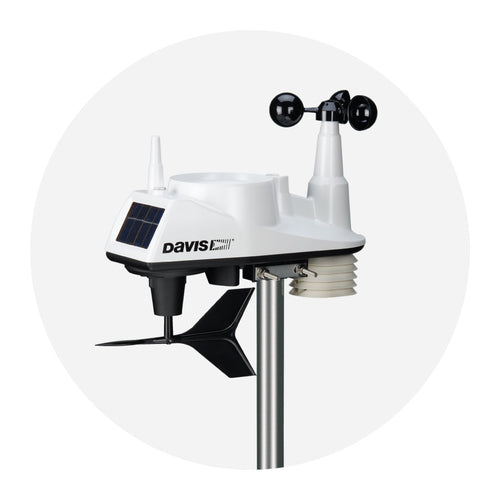
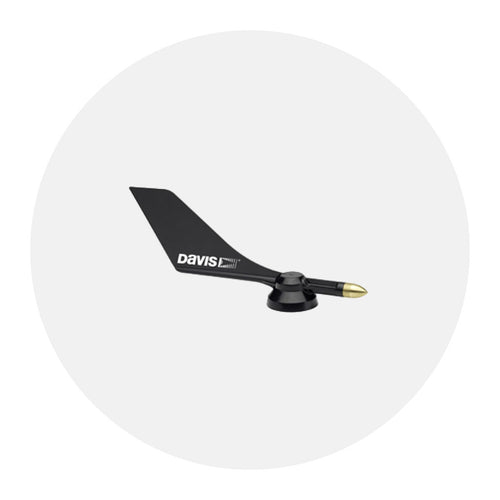
Most home stations measure temperature, humidity, barometric pressure, wind speed and direction, and rainfall. Advanced options add solar radiation and UV index, soil moisture and temperature, leaf wetness, and lightning detection. Choose a sensor mix that aligns with your goals—whether that is healthier lawns and gardens, safer outdoor plans, or research-grade monitoring. For many buyers wondering “what do i need to know before getting a weather station,” it starts with clarifying which weather equipment is essential today and which modules you may add later.
Benefits include precise backyard forecasts, better irrigation scheduling, improved safety during storms, and a long-term climate record. Many owners also integrate data with smart home routines, share live readings with family and neighbors, or contribute to public networks and community science. Davis Instruments enables each of these benefits with robust platforms and accessories designed to grow with your needs.
Focus first on the sensor suite. For most households, a core array that measures temperature, humidity, barometric pressure, wind, and rain provides a solid foundation. Gardeners and land managers may want soil moisture and temperature probes; solar enthusiasts should look for solar radiation and UV sensors. Verify that the wind sensor (anemometer) can be mounted at the correct height, and that the rain gauge uses a reliable tipping-bucket mechanism with features that help resist debris. The best weather stations combine accurate sensors with proven mechanical designs that hold calibration over time.
Accuracy and reliability are essential. Review stated specifications—for example, ±1°F for temperature, ±3% for relative humidity, and ±1 hPa for pressure—and confirm update intervals are fast enough for your needs (wind updates every few seconds, prompt rainfall tip logging). A well-designed radiation shield and stable mounts can be just as important as sensor specs. Look for durable, UV-resistant materials, sealed electronics, and operating temperature ranges that match your climate. Davis Instruments, for example, engineers weather equipment with rugged housings, high-quality bearings, and shields that help deliver consistent, field-tested performance.
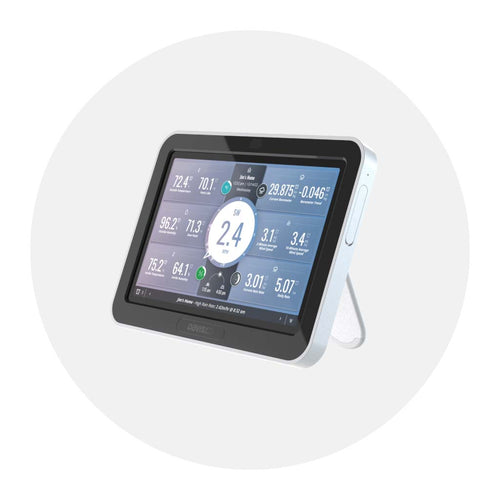
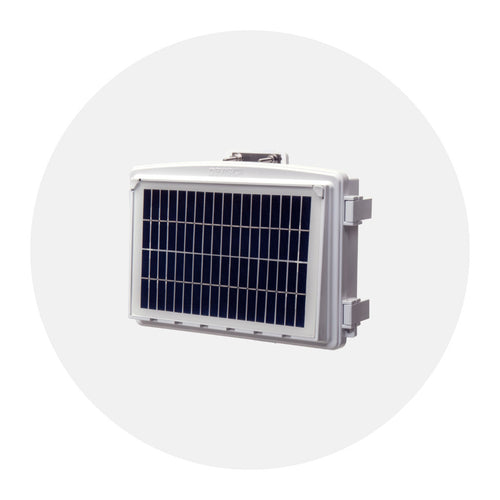
Connectivity determines how you view and share data. Wi-Fi gateways enable mobile app access and cloud dashboards for remote monitoring and long-term charts. Many stations use a low-power radio link between outdoor sensors and the indoor display. If you plan to use smart home integrations or third-party services, verify compatibility with your preferred platforms and APIs. Outdoor units may run on batteries, solar, or both—check expected battery life and solar charging capacity for your latitude and sun exposure. A best weather station should support reliable cloud access, local redundancy, and flexible integrations.
Proper siting drives reliable measurements. Aim to place sensors in open, representative locations away from heat sources, reflective surfaces, and obstructions. A practical rule is to position the station at least two times the height of the nearest obstruction from trees or buildings when possible. Following these siting principles will help any system perform like the best weather stations in your area.
During installation, use corrosion-resistant hardware, level the rain gauge carefully, secure cables, and veirfy antenna orientation if your system uses radio links. Before tightening everything down, power the station and confirm signal strength to your console or gateway.
Account for environmental factors. Solar-powered units need sun exposure, yet temperature sensors must be shaded and ventilated. Maximize wind exposure by avoiding nearby obstructions. Plan for seasonal changes—leaf-out can alter airflow and shading. In snowy regions, mount the rain gauge above typical snow depth or use manufacturer-approved methods for antifreeze-safe collection where supported. Ensure you can access the station for routine cleaning and battery checks. With Davis Instruments weather equipment, thoughtful placement unlocks the full value of precision sensors.
Turn measurements into insights by tracking how variables interact. Temperature and humidity inform heat index, dew point, and comfort. Barometric pressure trends help anticipate approaching systems. Wind speed and direction reflect storm intensity and fire weather risk. Rainfall totals guide irrigation timing and runoff planning. With solar radiation or UV data, you can estimate evapotranspiration and refine watering schedules.
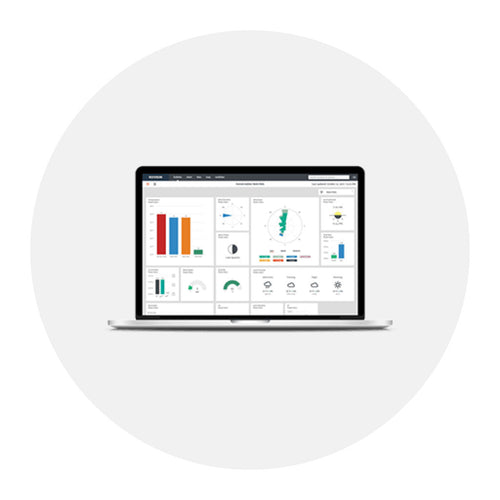
Put the data to work daily by adjusting sprinklers after rain, planning outdoor projects around wind and heat, and setting alerts for freezing temperatures or high winds. Over weeks and months, you will build a property-specific climate record—first and last frost dates, wet and dry spells, and seasonal norms—that supports planting decisions, maintenance, and energy management. Many platforms offer CSV export and dashboards with charts, alerts, and thresholds for deeper analysis. Choosing the best weather station makes these tasks easier with accurate streams and dependable logging.
Sharing extends the value of your station. Invite family members to view live readings, display conditions on a household screen, or share with public networks to help improve local awareness and forecasting models. If privacy matters, most systems provide granular controls so you decide what is public and what stays private.
Davis Instruments has earned the trust of homeowners, growers, schools, and pros who rely on dependable weather equipment. Our stations are engineered for accuracy, durability, and ease of use—qualities that define the best weather stations. From rugged sensor suites and radiation shielding to flexible connectivity and cloud tools, we deliver solutions that scale from backyard monitoring to serious research.
If you are still asking “What do I need to know before getting a weather station?” start with build quality, sensor accuracy, and siting flexibility—and look for a partner who supports you after purchase. Davis offers knowledgeable support, replacement parts, and upgrade paths so your system grows with your needs.
Plan brief monthly checks: clear debris from the rain funnel, confirm the station is level, inspect the radiation shield, and review battery or solar status. Every six months, clean the tipping bucket and check anemometer bearings. Annual verification of temperature, humidity, and pressure accuracy helps maintain confidence in your data.
Yes. Optimize placement within your constraints. Prioritize a level, unobstructed spot for the rain gauge and the most open, elevated exposure you can manage for wind. Balcony mounts can bias wind and temperature; note the siting so you can interpret readings appropriately.
No. Many stations display live data on a local console without internet access. Wi-Fi adds remote viewing, firmware updates, cloud backups, and the ability to share data with online services.
Quality stations are engineered for broad temperature ranges, intense sun, and heavy precipitation. Check the manufacturer’s specifications for operating temperatures, wind survivability, and water ingress ratings. Robust mounting and periodic inspections are especially important during severe seasons.
With quality sensors and proper siting, a personal station can be more relevant—and often more useful—for your exact location than distant official readings. Accuracy claims depend on installation and maintenance; shielding and exposure are often the biggest variables.