






How Can I Monitor Outdoor Temperature Remotely?
by Doug Analla
by Doug Analla
Keeping tabs on outdoor temperature from anywhere is straightforward with today’s sensors and connectivity options. If you are asking “How can I monitor outdoor temperature remotely?” the answer includes choosing the right outdoor temperature sensor and a reliable path to the cloud. Whether you want real-time backyard weather, need to protect your crops from frost, or are tuning HVAC performance across multiple buildings, the right setup delivers live readings, historical trends, and timely alerts to your phone or computer. This guide covers sensor types, how data gets online, and best practices for accurate, reliable remote temperature sensing outdoors—highlighting Davis solutions like AirLink, Vantage Vue and Vantage Pro2 sensor suites, and the WeatherLinkplatform.
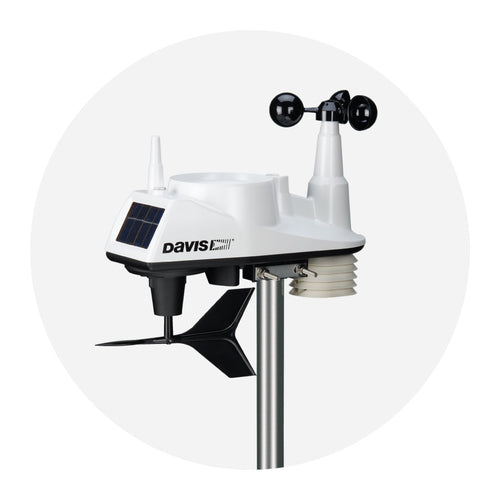
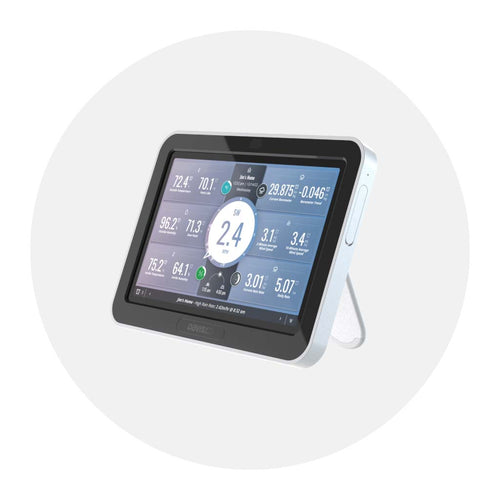
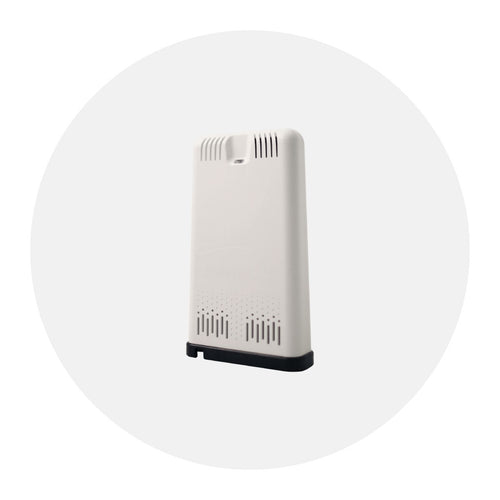
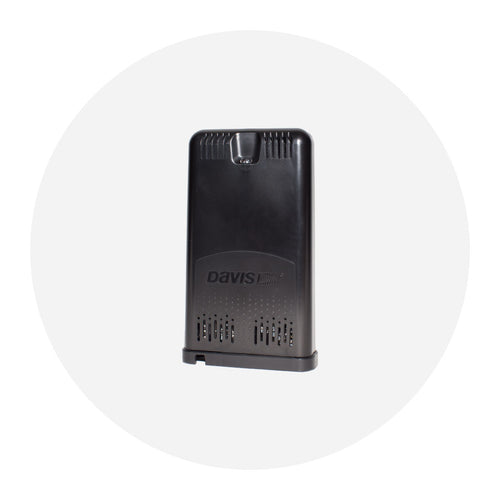
Davis Instruments has been a trusted leader in precision weather monitoring for decades. Our systems make it simple to monitor temperature remotely with proven outdoor temperature sensor designs, secure connectivity, and intuitive apps that turn raw data into actionable insight. Pair an AirLink air-quality and temperature monitor for quick deploys, or use a Vantage Pro2 or Vantage Vue Integrated Sensor Suite, with a WeatherLink Live or WeatherLink Console for professional-grade temperature monitoring backed by the WeatherLink Cloud.
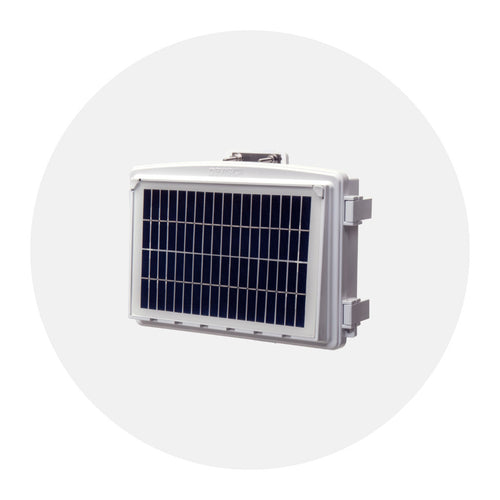
Outdoor temperature monitoring combines a sensor with a communication path to a display, app, or cloud platform. Approaches differ in range, power, and installation complexity. If you are exploring how to monitor outdoor temperature remotely, the options below show the tradeoffs and how remote temperature sensing fits different sites—with examples from Davis like AirLink, Vantage Vue and Vantage Pro2 sensor suites, and gateways including WeatherLink Live, WeatherLink Console, and the EnviroMonitor Gateway (a cellular option).
Short-range systems are typically lower cost and simple to deploy for backyards and small facilities, but range is limited by obstacles and interference. Long-range systems cover larger properties with robust links at a higher upfront cost and may require larger batteries or supplemental power. Common use cases include personal weather observation, agricultural monitoring for irrigation and frost control, greenhouse climate management, campus-wide HVAC balancing, and protection of sensitive assets in sheds or outdoor storage.
Davis Instruments offers scalable solutions—from compact AirLink and Vantage Vue kits for homeowners to Vantage Pro2 and EnviroMonitor gateways for campuses—so you can monitor temperature remotely with confidence.
Start with performance specifications that match your needs:
Outdoor durability is essential. A weatherproof housing with a suitable IP rating protects against rain and dust. Use a radiation shield to prevent solar heating from biasing readings. Passive shields are sufficient in many regions, while aspirated shields improve accuracy in high sun and low wind. Mount hardware securely to resist vibration and preserve consistent airflow. Davis offers passive and 24‑hour fan‑aspirated shields for Vantage Pro2, and AirLink includes a rugged enclosure for fast, flexible placement.
Placement has a large impact on accuracy. Install the sensor 4–6 feet above ground over natural surfaces like grass, not over concrete or rooftops. Keep it at least 50 feet from heat sources such as HVAC exhausts or grills and about 10 feet from buildings. If using an RF link, maintain a clear path to the receiver when possible, and avoid mounting near large electrical equipment that could cause interference. Use Davis mounting poles and hardware to simplify correct siting.
Power strategy affects maintenance intervals and reliability:
Davis Instruments designs outdoor temperature sensor packages tested for tough environments, helping you monitor temperature remotely with dependable remote temperature sensing year-round. Choose AirLink for rapid add-on temperature and air-quality data, Vantage Vue for simple all-in-one weather, or Vantage Pro2 for research-grade performance.
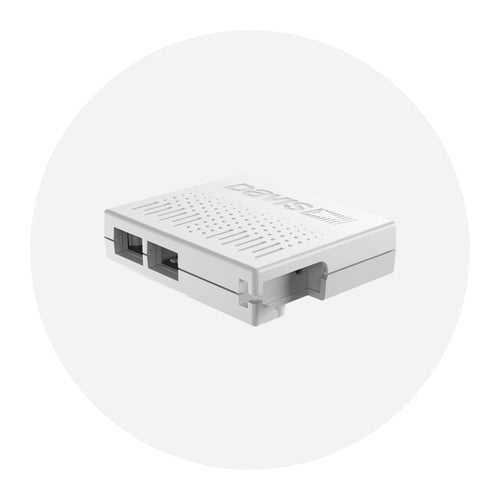
There are three primary paths to get outdoor readings to your devices. If you’re wondering how to monitor outdoor temperature remotely without constant on-site checks, these methods enable seamless remote temperature sensing—with Davis options like WeatherLink Live, WeatherLink Console, cellular EnviroMonitor gateways, and the WeatherLink Cloud and app ecosystem:
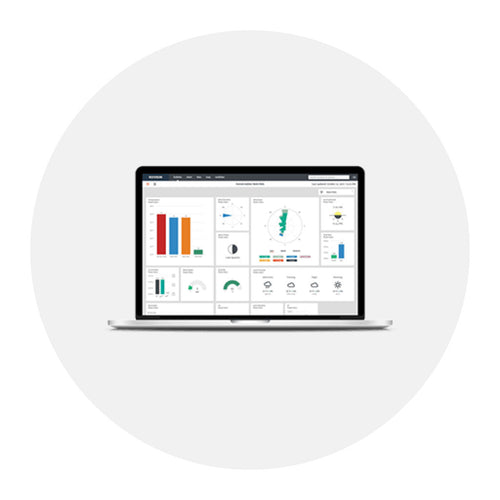
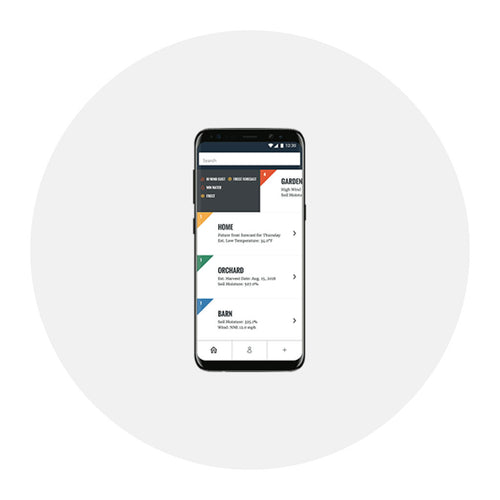
Remote access tools typically include:
If connectivity is limited, plan for resilience. Enable on-device data buffering so measurements store locally during outages and upload when service resumes. Use low-power reporting intervals (for example, every 5–15 minutes) to conserve energy while maintaining situational awareness. Consider a backup path, such as cellular failover for a wired gateway, to maintain visibility during ISP interruptions. Davis gateways and consoles support robust logging and reliable data transfer to minimize gaps.
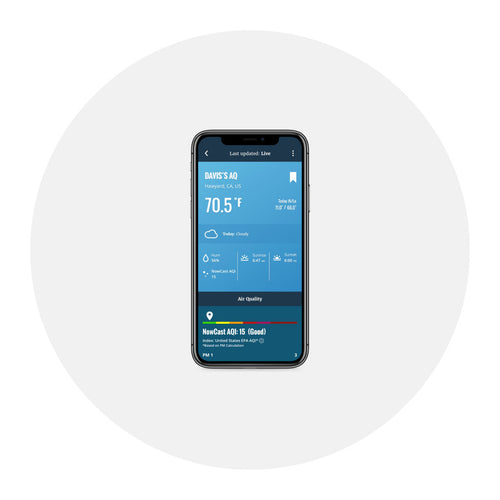
Davis Instruments provides secure cloud services and robust gateways that make it easy to monitor temperature remotely, ensuring your outdoor temperature sensor data is available when you need it. Combine Vantage Pro2 or Vantage Vue with WeatherLink Live or WeatherLink Console—or deploy an AirLink for rapid sensing—to build the right path from sensor to cloud.
A consistent installation process improves accuracy and reliability:
Verify accuracy at installation and over time. Compare readings with a traceable reference thermometer in shaded, well-mixed air. Repeat checks seasonally or after severe weather. If your device supports calibration offsets, apply small adjustments based on side-by-side comparisons and document results to track drift. WeatherLink tools and console interfaces make applying and tracking calibration offsets straightforward.
Keep the system in top condition with routine maintenance:
With Davis Instruments, you gain proven reliability, accurate outdoor temperature sensor performance, and user-friendly tools to support remote temperature sensing. If your goal is to monitor temperature remotely with minimal hassle, our solutions—AirLink, Vantage Vue, Vantage Pro2, WeatherLink Live, WeatherLink Console, and cellular EnviroMonitor gateways—deliver fast setup, scalable connectivity, and trusted data for decisions that matter.