





Combining Historical and Real-Time Weather Data for Study
by Doug Analla
by Doug Analla
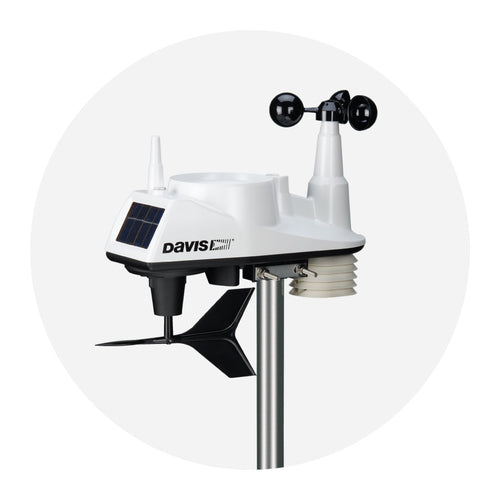
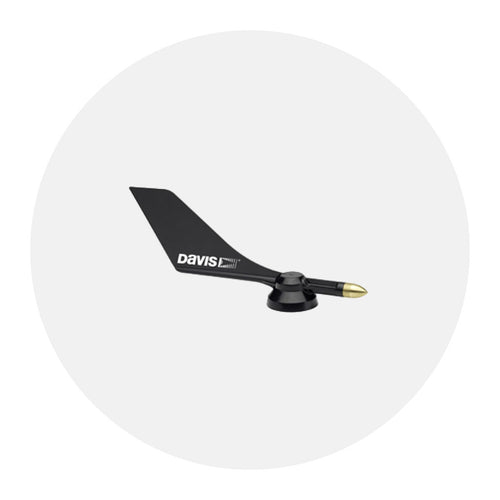
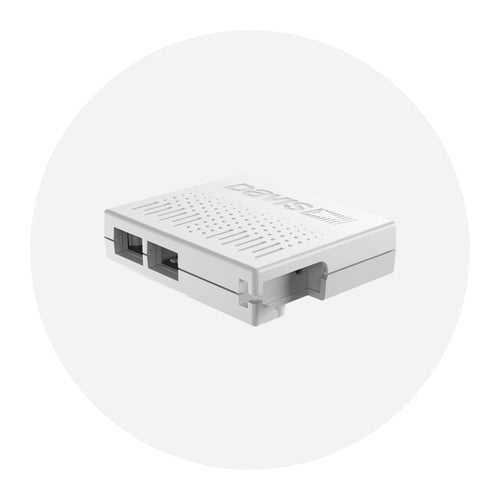
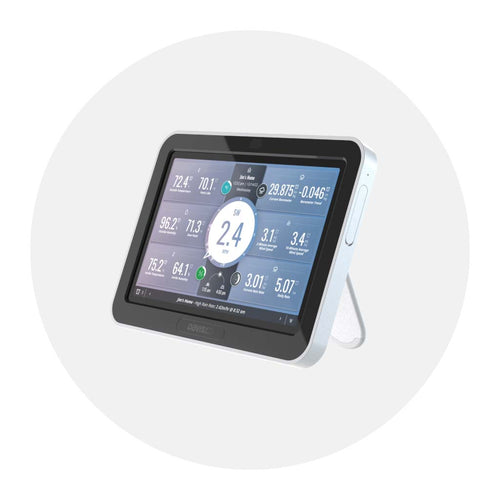
Bringing historical records together with real-time weather observations creates a dynamic foundation for research, forecasting, and day-to-day decision-making. Long-term archives offer baselines, climate normals, and trend context. Live streams provide situational awareness and rapid feedback. Combined, they support rigorous validation, sharpen anomaly detection, and enable continuous model improvement. This guide explains why blending matters, which data types to include, how to integrate and quality-control your datasets, and how to build a practical workflow using Davis Instruments hardware and WeatherLink cloud services.
Historical data anchors analyses with climatological context and multi-year variability. Real-time feeds capture evolving conditions and deliver immediate insight. Used together, they form a living dataset that supports more responsive decisions. For many research and operational teams, combining historical and real-time weather data for study elevates meteorological data from static records to an actionable, continuously updated resource.
Key advantages include improved research reliability by comparing current observations to established normals, stronger model validation against both archived and unfolding conditions, and earlier, more accurate anomaly detection by contrasting live data with historical distributions. This blended perspective helps separate true extremes from expected variability and provides early signals when conditions diverge from typical patterns.
Common applications include climate trend analysis that situates present-day temperature, precipitation, and wind observations within long-term statistics; event attribution that compares current extremes to historical analogs; and short-term forecasting enhancement through rapid feedback loops that correct model biases and recal Blended datasets also strengthen model training and decision frameworks. Historical archives supply diverse samples that cover seasonality and rare events, while real-time streams support adaptive calibration and online learning. Together, they reduce overfitting, increase generalizability, and enable dynamic alert thresholds that reflect both climate context and current conditions. In practice, this is the essence of weather analytics: integrating signals across timescales to produce timely, reliable decisions.Data Collection and Integration Methods