






How to Manage Heat Stress During Fruit Fill and Ripening
Fruit fill and ripening are when months of work turn into marketable yield. They are also stages when extreme heat can quickly affect fruit size, color, firmness, maturity, and storage potential.
Growers cannot control the weather, but they can control how quickly they recognize heat stress and respond. The key is combining crop-stage knowledge with field-level temperature, soil moisture, ET, and irrigation data.
Know Where Heat Risk Is Highest
Regional forecasts provide a useful warning, but conditions can vary significantly across a farm. Exposed rows, orchard edges, shallow soils, young plantings, and areas with uneven irrigation may experience stress sooner than other blocks.
Before temperatures rise, identify the locations most likely to be affected:
- Blocks that dry out quickly
- West-facing or exposed fruit
- Light, sandy, or shallow soils
- Areas with known irrigation issues
- Recently thinned or opened canopies
- Greenhouses or tunnels with limited ventilation
Monitoring these high-risk zones can help growers respond before visible damage appears.
Prepare the Root Zone Before the Heat Arrives
Adequate soil moisture helps crops continue transpiring and regulating temperature during hot weather. The goal, however, is not simply to apply more water. It is to keep the active root zone within the appropriate range for the crop and soil.
Before a heat event:
- Review moisture trends at multiple root-zone depths.
- Compare current conditions with established irrigation thresholds.
- Check recent rainfall, ET, and the upcoming forecast.
- Verify that pumps, filters, valves, emitters, flow, and pressure are working properly.
- Correct developing moisture deficits before peak heat arrives.
During the event, watch how quickly moisture is being depleted. Hot, dry, and windy conditions can increase crop water demand faster than temperature alone may suggest.
Protect the Canopy That Protects the Fruit
A healthy canopy provides valuable shade. Heavy leaf removal, pruning, or thinning immediately before extreme heat can expose fruit that has not acclimated to direct sunlight.
Plan canopy work around the forecast and avoid creating widespread new exposure just before a heat wave.
Depending on the crop and operation, growers may also consider:
- Shade cloth or protective netting
- Reflective particle films
- Approved fruit-protection products
- Evaporative or over-tree cooling
- Additional ventilation in protected production
Each approach has tradeoffs, so heat-mitigation strategies should be matched to the crop, disease risk, water availability, and local recommendations.
Track the Duration of Stress
The daily high temperature does not tell the full story. A brief spike may affect crops differently than several consecutive hot days with little overnight relief.
Useful measurements include:
- Hours above a crop-specific threshold
- Overnight temperatures
- Relative humidity
- Solar radiation
- Wind speed
- ET
- Root-zone moisture decline
- Irrigation response
Custom alerts are most useful when they trigger a clear action. For example:
When the high-temperature threshold is reached, check soil moisture, verify irrigation pressure, and scout exposed fruit in the highest-risk block.
That turns an alert into an operating procedure—not just another notification.
Recheck Maturity and Harvest Timing
Heat can accelerate or disrupt ripening. Depending on the crop, growers may see uneven color, softening, shrivel, sunburn, reduced flavor, or a shorter harvest window.
During and after a heat event:
- Sample high-risk blocks more frequently.
- Compare maturity across different areas of the farm.
- Revisit harvest order and labor plans.
- Monitor Brix, firmness, color, acidity, or other crop-specific indicators.
- Move harvested fruit into shade or cooling as quickly as practical.
Do not assume that one block represents the entire operation. Field-level differences may require different harvest timing.
Turn Field Data Into Faster Decisions
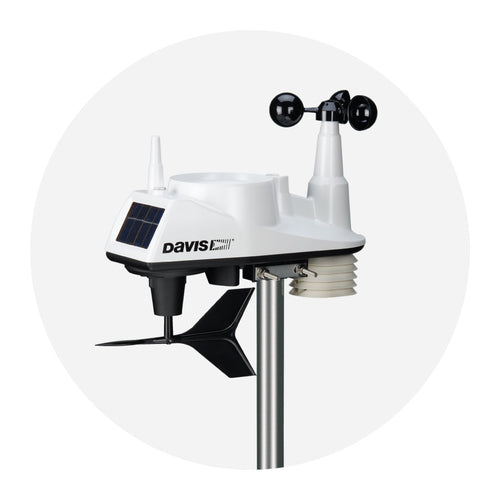
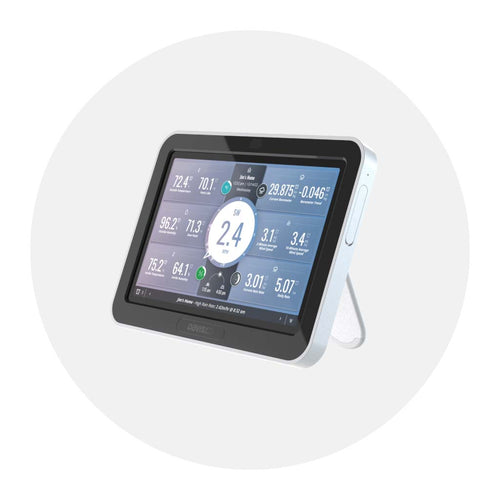
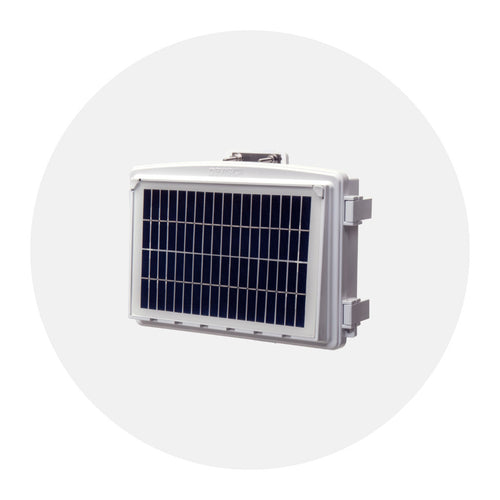
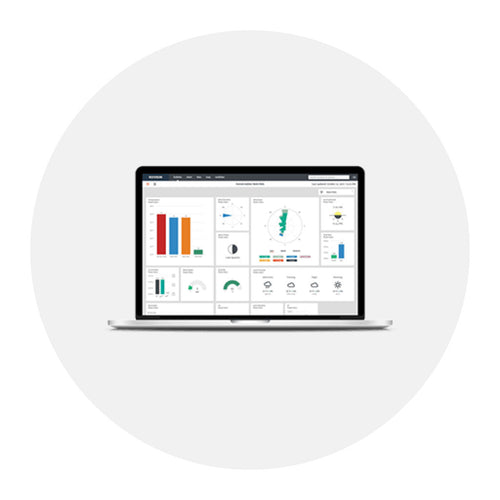
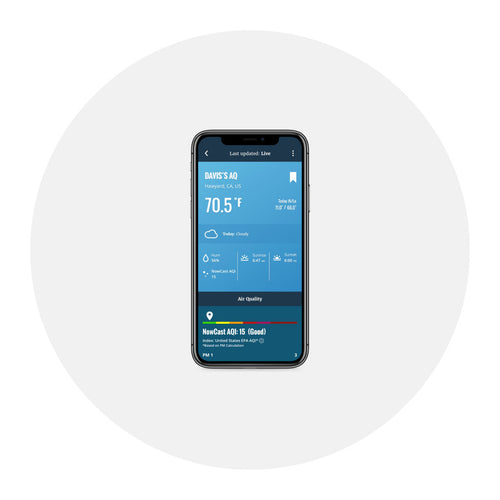
EnviroMonitor® and Mobilize® help growers bring weather, soil, and irrigation information together in one place.
With the right sensor configuration, growers can:
- Monitor soil moisture at multiple depths
- Track field-level temperature, humidity, wind, and rainfall
- Review ET and forecast conditions
- Set temperature and irrigation alerts
- Identify rapid moisture depletion
- Compare conditions across blocks
- Share data with field managers and crop consultants
This makes it easier to see whether a heat event is being compounded by dry soil, unusually high ET, irrigation problems, or conditions affecting one block more than another.
Be Ready Before the Heat Is On
Heat stress is easier to manage before damage becomes visible. By monitoring the conditions surrounding the crop—not just the regional forecast—growers can make faster irrigation, canopy, and harvest decisions.
EnviroMonitor and Mobilize provide the field-level insight needed to protect fruit quality, marketability, and yield during the most critical stages of the growing season.
See how EnviroMonitor can help you prepare for the next heat event.

In the face of escalating environmental risks, AEM is the essential source for insights on weather, climate, lightning, floods, wildfires, water management, and more.
Learn more about AEM and all of our solutions here.